IN THE NEWS:
- SELF-CARE PRODUCTS OPEN CONSULTATION
The Government of Canada (Health Canada) is currently seeking your input on their proposed approach to self-care product regulation in Canada. Here's you chance to SPEAK-UP - SASKATCHEWAN'S WILD RICE PRODUCERS
Saskatchewan's Wild Rice Producers recently earned recognition from the Canadian Broadcasting Corporation for producing some of "The Worlds finest Wild Rice." CLICK HERE to read the story & watch the video.
(opens in a new window / tab ) - WORLD MOST PRIZED GINSENG IS CANADIAN!
Ontario's Straffordville-grown North American ginseng crop is considered
"the most prized Ginseng in the world"? CLICK HERE to read the story and watch the video.
(opens in a new window / tab ) - VERIFIED BEEF COMES TO CANADA
A great resource for Canadian beef cattle producers. Information on topics such as VBP+ on-line training, the 5 easy steps for getting on the program, as well as detailed information on VBP+ modules for animal care, biosecurity and environmental stewardship.
CLICK TO LEARN MORE ABOUT THE VERIFIED BEEF PROGRAM
(opens in a new window / tab )
EVENTS: DONT MISS THESE EVENTS! JOIN US FOR
NEWS RELEASE:
- Digital Issues of HERBGRAM are now available online.
Click here to read the press release
For over 20 years the Herb, Spice and Specialty Agriculture Association has been proudly serving its members and their industry - providing networking and education opportunities while making sure their voices have been heard. H.S.S.A has opened its doors to the country and world... supporting the industry as a whole.
Latest posts:

H.S.S.A began with a spice grower/broker, a wildcrafter and a culinary herb grower/processor. It evolved from a focus on purely production to encompassing the whole value chain including research and development. H.S.S.A now supports not only those crops and products they started with but many of the new crops overall, products and processes as they evolve. It is now an integrated industry association with many partners across the world and throughout the value chain. H.S.S.A is known for its ability to "play with others" and to partner successfully for the benefit of all. A prime example of this is H.S.S.A's role as the secretariat for the Canadian Herb, Spice and Natural Health Product Coalition.
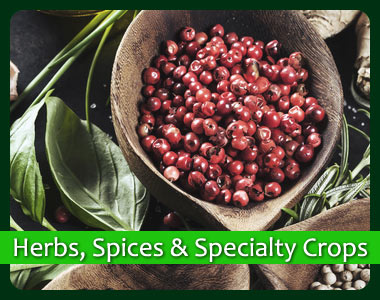 Our evolution has brought many changes to the industry making the world aware that yes we do grow, collect, process and sell spices, botanicals and much more.
— H.S.S.A has taken a lead role in adding value by developing voluntary tools for quality, traceability and safety.
— H.S.S.A has been a leader from day one in health of the plants they grow, collect and sell, in helping define and showcase the impact of consuming these healthy products and has supported the health of the communities that develop them.
— H.S.S.A has supported research and development
— H.S.S.A has been a voice to ensure a fair workable regulatory environment
— H.S.S.A is testing a gentlemen agreement spice levy to support industry lead research and development.
Choix entre generique sans ordonnance ou de marque.
Explore this website for more information about us - become a member and reap the benefits that membership brings.
This is your industry and your association - please help us grow the new crops world for Canada.